



文化故事
這些故事,
Stories that all
這些故事,
都來自臺南
Stories that all
come from Tainan
城市角色、古蹟建築、神祇形象、水道文化——每一道被描繪下來的線條背後, 都是一段在府城真實發生過、走過四百年的時間紋理。
No.01
City Character
城市角色
巷仔Niau
每一條巷弄,都是一個時代的切面。
臺南的巷弄,不只是兩棟建築之間的縫隙,而是一座城市四百年生活方式的實體記憶。從荷蘭東印度公司規劃的赤崁市街開始,這些蜿蜒小路沿著廟埕、港道與移民聚落自然生長,形成了今天府城獨一無二的街廓紋理。
走進臺南的巷弄,你會遇見拉出板凳在門口吃飯的街坊鄰居,遇見藏身老屋的職人工作室,遇見不知名的貓咪停在斑駁紅磚牆上打盹。這座城市從來不急著把巷弄「整理乾淨」,反而讓人與空間的邊界自然模糊,成為一種只屬於臺南的生活倫理。
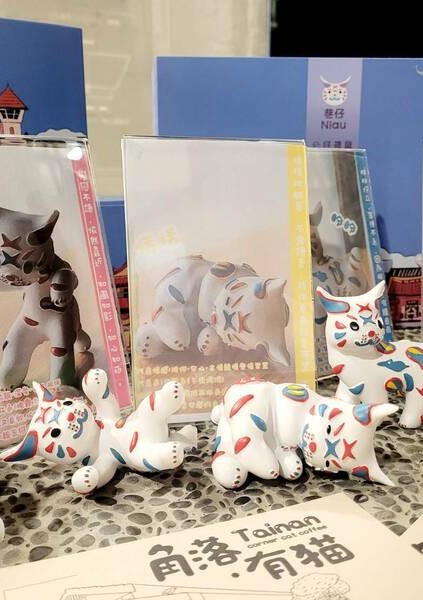
巷仔Niau正是這種精神的具現:牠穿梭在那些地圖找不到的轉角,見證了一座城市最日常也最珍貴的樣子。
牠的身世,要從一段海上傳說說起。大航海時代的商船,習慣帶著「麒麟尾」的貓上船鎮鼠護貨;這些尾巴末端帶著小小彎鉤的貓,隨船隊在府城港邊上岸、落地生根,老一輩說,那個彎鉤是「勾住福氣」的記號。藝術家陳普以此為靈感,讓這隻守著巷弄的貓有了名字與樣貌——巷仔Niau,一位串連過去與未來的城市觀光大使。下次造訪府城,記得放慢腳步,說不定在某個轉角,你會與牠不期而遇。
走進臺南的巷弄,你會遇見拉出板凳在門口吃飯的街坊鄰居,遇見藏身老屋的職人工作室,遇見不知名的貓咪停在斑駁紅磚牆上打盹。這座城市從來不急著把巷弄「整理乾淨」,反而讓人與空間的邊界自然模糊,成為一種只屬於臺南的生活倫理。
巷仔Niau正是這種精神的具現:牠穿梭在那些地圖找不到的轉角,見證了一座城市最日常也最珍貴的樣子。
牠的身世,要從一段海上傳說說起。大航海時代的商船,習慣帶著「麒麟尾」的貓上船鎮鼠護貨;這些尾巴末端帶著小小彎鉤的貓,隨船隊在府城港邊上岸、落地生根,老一輩說,那個彎鉤是「勾住福氣」的記號。藝術家陳普以此為靈感,讓這隻守著巷弄的貓有了名字與樣貌——巷仔Niau,一位串連過去與未來的城市觀光大使。下次造訪府城,記得放慢腳步,說不定在某個轉角,你會與牠不期而遇。
For over 400 years, the city's narrow lanes and alleys have grown naturally around temples, ports, and neighborhoods — creating a labyrinth of everyday life that no other city in Taiwan has preserved quite like this. Here, old brick walls meet indie cafés, temple incense drifts past artisan studios, and a stray cat watches it all from a sunlit doorstep.
This city never rushes to "tidy up" its alleys. Instead, the boundaries between people and space blur naturally, forming a philosophy of living that belongs only to Tainan.
The Alley Cat is born from this spirit: an original IP character that embodies the quiet, curious soul of Tainan's alleyways — wandering corners no map can find, witnessing the most ordinary and most precious moments of city life.
Its origin traces back to a seafaring legend. Merchant ships of the Age of Sail kept "kirin-tailed" cats aboard to guard their cargo from rats; these cats — each with a tiny hook at the tip of its tail — came ashore at Tainan's old harbor and made the city home. Elders say the bent tail is a charm that "hooks onto good fortune." Inspired by this tale, artist Chen Pu gave the guardian of the alleys a name and a face: Alley Cat Niau, a city ambassador connecting past and future. Next time you visit, slow down — you might just meet it around the corner.
This city never rushes to "tidy up" its alleys. Instead, the boundaries between people and space blur naturally, forming a philosophy of living that belongs only to Tainan.
The Alley Cat is born from this spirit: an original IP character that embodies the quiet, curious soul of Tainan's alleyways — wandering corners no map can find, witnessing the most ordinary and most precious moments of city life.
Its origin traces back to a seafaring legend. Merchant ships of the Age of Sail kept "kirin-tailed" cats aboard to guard their cargo from rats; these cats — each with a tiny hook at the tip of its tail — came ashore at Tainan's old harbor and made the city home. Elders say the bent tail is a charm that "hooks onto good fortune." Inspired by this tale, artist Chen Pu gave the guardian of the alleys a name and a face: Alley Cat Niau, a city ambassador connecting past and future. Next time you visit, slow down — you might just meet it around the corner.
No.02
Historic Architecture
古蹟建築
赤崁樓 · 億載金城
石材疊上石材,每一層都是一個不同的時代。
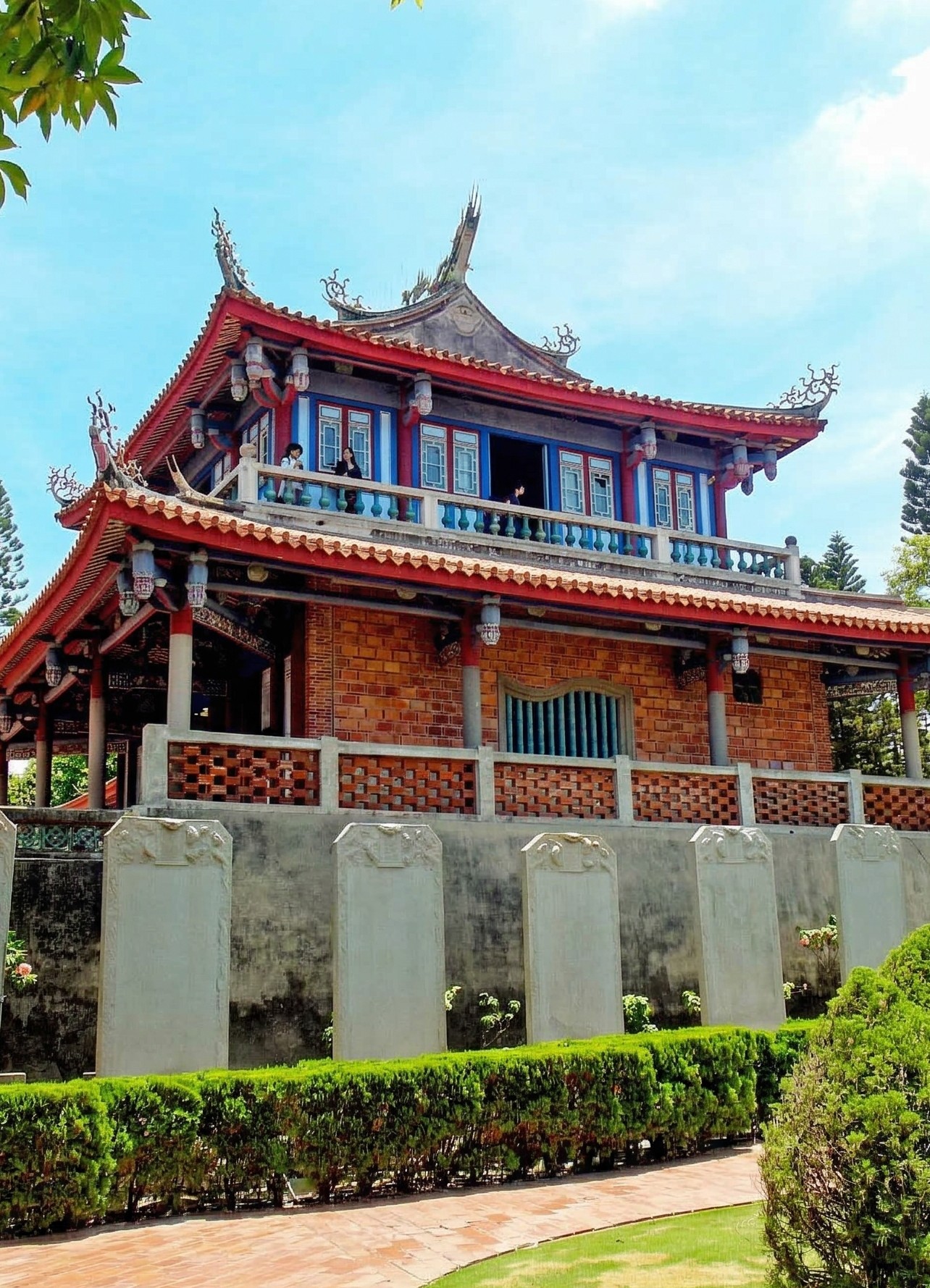
1653年,荷蘭人以糯米汁、糖漿與牡蠣殼混合為灰漿,用來自爪哇的紅磚砌起了普羅民遮城,這是赤崁樓最初的樣子。此後,鄭成功在此設承天府;清代知縣在舊基上建文昌閣、海神廟;日治時期這裡成為陸軍醫院。三百多年間,每一個政權都在同一塊土地上留下了不同語言的建築記憶,讓今日的赤崁樓成為一座真正意義上的「疊代建築」。
「赤崁」之名,源自西拉雅族聚落「Sakam」的音譯。樓前一字排開的九座贔屭御碑,馱著乾隆皇帝為紀念平定林爽文事件而親撰的碑文,當年由海路輾轉運抵府城;文昌閣上的魁星爺,至今仍是考季裡學子祈求金榜題名的所在。一座樓,同時收藏著原住民的地名、皇帝的筆墨,與庶民的願望。
距此不遠,1876年完工的億載金城,是清廷欽差大臣沈葆楨奉命抵禦日本侵台所建——他聘請法國工程師設計,配備英製阿姆斯壯大砲,城門內題「萬流砥柱」,城門外題「億載金城」,筆墨均出自他本人之手。這是臺灣第一座西式砲台,也是一個時代的守土決心。
如今,這些建築以插畫的形式重新被看見,走過四百年風雨的線條,在現代設計的語彙裡找到了新的生命。
「赤崁」之名,源自西拉雅族聚落「Sakam」的音譯。樓前一字排開的九座贔屭御碑,馱著乾隆皇帝為紀念平定林爽文事件而親撰的碑文,當年由海路輾轉運抵府城;文昌閣上的魁星爺,至今仍是考季裡學子祈求金榜題名的所在。一座樓,同時收藏著原住民的地名、皇帝的筆墨,與庶民的願望。
距此不遠,1876年完工的億載金城,是清廷欽差大臣沈葆楨奉命抵禦日本侵台所建——他聘請法國工程師設計,配備英製阿姆斯壯大砲,城門內題「萬流砥柱」,城門外題「億載金城」,筆墨均出自他本人之手。這是臺灣第一座西式砲台,也是一個時代的守土決心。
如今,這些建築以插畫的形式重新被看見,走過四百年風雨的線條,在現代設計的語彙裡找到了新的生命。
Chihkan Tower (Fort Provintia) was built by the Dutch in 1653 using red bricks bonded with a mortar of sticky rice, sugarcane syrup, and oyster shells — a method so effective that the walls still stand today. Over three centuries, it passed through Ming, Qing, and Japanese hands, each era leaving its own architectural imprint. The result is a layered landmark unlike any other: Dutch foundations beneath Chinese pavilions beneath Japanese renovations.
The name "Chihkan" derives from Sakam, a settlement of the indigenous Siraya people. In front of the tower, nine stone steles carried by bixi (dragon-turtles) bear inscriptions written by the Qianlong Emperor himself to commemorate the suppression of the Lin Shuangwen rebellion; upstairs in the Wenchang Pavilion, students still pray to the God of Literature before every exam season. One tower holds an indigenous place name, an emperor's calligraphy, and the wishes of everyday people.
The Eternal Golden Castle, completed in 1876, was Taiwan's first Western-style fort — designed by a French engineer, armed with British Armstrong cannons, and inscribed in stone by Qing envoy Shen Baozhen himself. Built to defend against Japanese invasion, its motto reads: "A fortress for ten thousand ages."
Today, these 400-year-old structures are reinterpreted through modern illustration — ancient lines finding new life in contemporary design.
The name "Chihkan" derives from Sakam, a settlement of the indigenous Siraya people. In front of the tower, nine stone steles carried by bixi (dragon-turtles) bear inscriptions written by the Qianlong Emperor himself to commemorate the suppression of the Lin Shuangwen rebellion; upstairs in the Wenchang Pavilion, students still pray to the God of Literature before every exam season. One tower holds an indigenous place name, an emperor's calligraphy, and the wishes of everyday people.
The Eternal Golden Castle, completed in 1876, was Taiwan's first Western-style fort — designed by a French engineer, armed with British Armstrong cannons, and inscribed in stone by Qing envoy Shen Baozhen himself. Built to defend against Japanese invasion, its motto reads: "A fortress for ten thousand ages."
Today, these 400-year-old structures are reinterpreted through modern illustration — ancient lines finding new life in contemporary design.
No.03
Deity Culture
神祇形象
城隍 24 司 · 媽祖
府城的神明,從來不只是信仰的對象,更是城市管理的隱形架構。
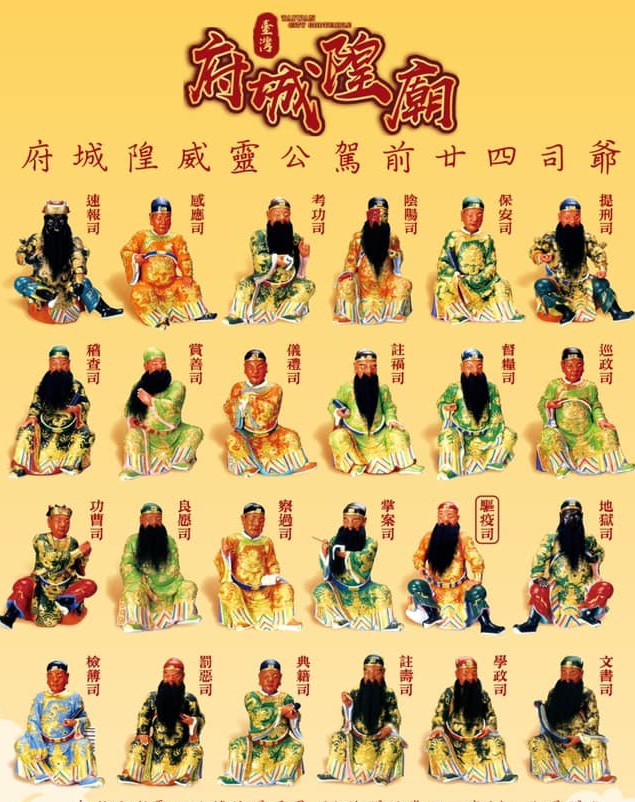
臺灣府城隍廟建於明鄭永曆二十三年(1669年),是全臺最早的官建城隍廟。城隍爺之下,設有文武判官、七爺八爺,以及二十四司幕僚——檢簿司、稽查司、速報司、學政司、考功司……各司其職,宛如一套精密的陰間行政系統。其中,那一排頭部可以轉動的神像,是府城隍廟最奇特也最令人印象深刻的細節,彷彿祂們隨時都在審視著走進廟門的每一個人。
抬頭望向廟門,先看見的是一座巨大的算盤,與高懸的「爾來了」匾——名列府城名匾,短短三個字,把人間的善惡帳說得明明白白:你終究來了,一生功過,自有計較。
媽祖的信仰則從另一個方向撐起了府城的精神重心。臺南祀典大天后宮,是全臺最早的官建媽祖廟,康熙年間由施琅倡建,起初是明寧靖王的府邸。每逢農曆三月媽祖聖誕,「府城迓媽祖」出巡遶境,鎮南媽押後壓陣,各境廟宇依序出轎,這是一年一度整座城市以信仰為名的大型對話。而殿裡那尊府城最忙碌的月下老人,四百年香火之間,姻緣簿與功過簿一樣,都是這座城市與神明之間最日常的往來。
府城的神明不只在廟裡,祂們活在巷弄的日常氣息裡。
抬頭望向廟門,先看見的是一座巨大的算盤,與高懸的「爾來了」匾——名列府城名匾,短短三個字,把人間的善惡帳說得明明白白:你終究來了,一生功過,自有計較。
媽祖的信仰則從另一個方向撐起了府城的精神重心。臺南祀典大天后宮,是全臺最早的官建媽祖廟,康熙年間由施琅倡建,起初是明寧靖王的府邸。每逢農曆三月媽祖聖誕,「府城迓媽祖」出巡遶境,鎮南媽押後壓陣,各境廟宇依序出轎,這是一年一度整座城市以信仰為名的大型對話。而殿裡那尊府城最忙碌的月下老人,四百年香火之間,姻緣簿與功過簿一樣,都是這座城市與神明之間最日常的往來。
府城的神明不只在廟裡,祂們活在巷弄的日常氣息裡。
The Taiwan Fu City God Temple, established in 1669, is the oldest officially-built City God temple in Taiwan. Inside, the City God presides alongside 24 Officials (二十四司), each overseeing a different domain — justice, education, health, agriculture — a divine bureaucracy that mirrors imperial governance. The temple's row of deity statues with rotating heads is one of Tainan's most distinctive details — as if they are always watching.
Look up at the entrance and you will see a giant abacus, and above it one of Tainan's most famous plaques: "Er Lai Le" (爾來了) — "So, you have come at last." Three characters, one message: every deed of your life has been counted.
Nearby, the Grand Mazu Temple (大天后宮), Taiwan's first government-built Mazu temple since 1684, continues to anchor the city's spiritual life. Originally the palace of Ming prince Zhu Shugui, it was converted into a Mazu shrine after Taiwan's Qing conquest. Every lunar March, the city-wide Fuchen Mazu Procession winds through Tainan's streets — one of the oldest Mazu pilgrimage traditions in Taiwan. And inside the hall sits the city's busiest Matchmaker deity, whose ledger of marriages has been kept alongside the ledger of deeds for four hundred years of incense smoke.
In Tainan, the gods don't stay in their temples. They live in the everyday breath of the city's alleys.
Look up at the entrance and you will see a giant abacus, and above it one of Tainan's most famous plaques: "Er Lai Le" (爾來了) — "So, you have come at last." Three characters, one message: every deed of your life has been counted.
Nearby, the Grand Mazu Temple (大天后宮), Taiwan's first government-built Mazu temple since 1684, continues to anchor the city's spiritual life. Originally the palace of Ming prince Zhu Shugui, it was converted into a Mazu shrine after Taiwan's Qing conquest. Every lunar March, the city-wide Fuchen Mazu Procession winds through Tainan's streets — one of the oldest Mazu pilgrimage traditions in Taiwan. And inside the hall sits the city's busiest Matchmaker deity, whose ledger of marriages has been kept alongside the ledger of deeds for four hundred years of incense smoke.
In Tainan, the gods don't stay in their temples. They live in the everyday breath of the city's alleys.
No.04
Water Heritage
水道文化
水脈的精準浪漫
一滴水,從曾文溪出發,走過百年,才流進你的杯中。
1897年,英國蘇格蘭工程顧問威廉·巴爾頓與日本學生濱野彌四郎,受臺灣總督府之命,開始調查臺南的水源與水質。那個年代的臺南仍以井水為生,疫病反覆,飲水乾淨是奢侈品。
1912年,臺南水道正式動工;1922年竣工,歷時整整十年。濱野彌四郎在此傾注了他人生中最精華的歲月,設計了一套以重力送水的精密系統:曾文溪取水 → 沉澱池 → 快濾筒室(英國原裝進口,14座對稱排列)→ 送出唧筒室 → 山頂淨水池 → 重力輸送至全市。
濱野彌四郎在臺灣一待就是二十三年,從基隆、臺北到臺南,島上大半的現代水道都出自他手,後人稱他「都市的醫師」——醫的不是人,而是城市的體質;日後以嘉南大圳與烏山頭水庫聞名的八田與一,正是他在總督府土木部時期的部屬。如今山上淨水場裡立著他的銅像,是奇美創辦人許文龍為感念這位工程師,親手雕塑贈立的。
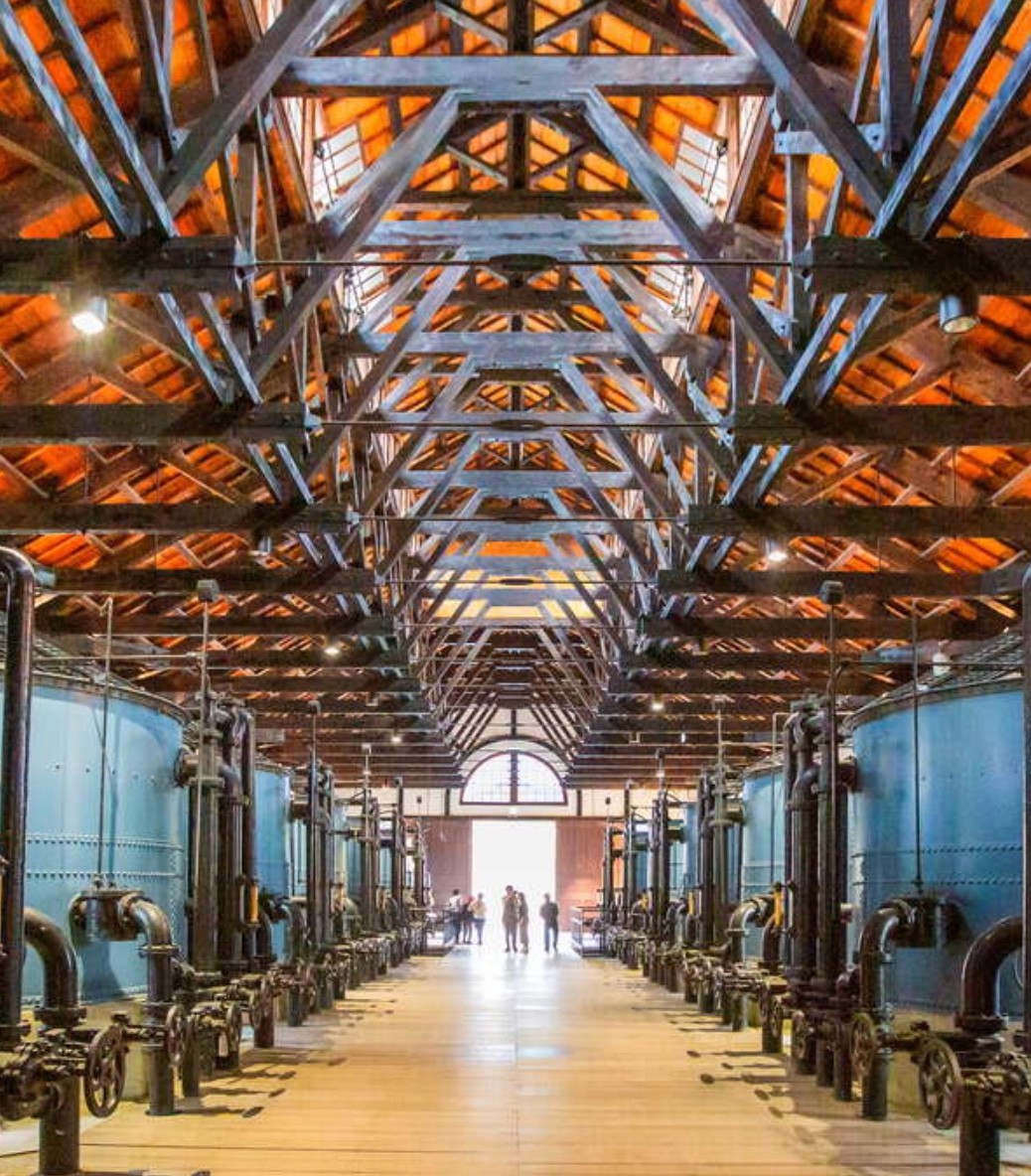
那14座快濾筒,螺栓與轉盤分毫不差,是那個時代工程職人用來服務十萬人的無聲心意。1982年,臺南水道功成身退。2019年,它以「臺南山上花園水道博物館」重新開放,讓每一位走進紅磚廠房的訪客,都能親手觸摸那些曾經為這座城市解渴的百年機器。
1912年,臺南水道正式動工;1922年竣工,歷時整整十年。濱野彌四郎在此傾注了他人生中最精華的歲月,設計了一套以重力送水的精密系統:曾文溪取水 → 沉澱池 → 快濾筒室(英國原裝進口,14座對稱排列)→ 送出唧筒室 → 山頂淨水池 → 重力輸送至全市。
濱野彌四郎在臺灣一待就是二十三年,從基隆、臺北到臺南,島上大半的現代水道都出自他手,後人稱他「都市的醫師」——醫的不是人,而是城市的體質;日後以嘉南大圳與烏山頭水庫聞名的八田與一,正是他在總督府土木部時期的部屬。如今山上淨水場裡立著他的銅像,是奇美創辦人許文龍為感念這位工程師,親手雕塑贈立的。
那14座快濾筒,螺栓與轉盤分毫不差,是那個時代工程職人用來服務十萬人的無聲心意。1982年,臺南水道功成身退。2019年,它以「臺南山上花園水道博物館」重新開放,讓每一位走進紅磚廠房的訪客,都能親手觸摸那些曾經為這座城市解渴的百年機器。
In 1897, Scottish engineer William K. Burton and his Japanese student Hamano Yashiro were dispatched by the Taiwan Governor-General's Office to survey water sources in Tainan. At the time, the city still depended on wells, and waterborne disease was common.
Construction of the Tainan Waterworks began in 1912 and was completed in 1922 after a full decade of work. Hamano Yashiro's masterpiece: a gravity-fed purification system drawing from Zengwen River, through sedimentation tanks, then through 14 symmetrically arranged British-imported filtration cylinders, and finally pumped uphill to a reservoir for gravity distribution across the city.
Hamano spent 23 years in Taiwan, engineering modern waterworks from Keelung and Taipei to Tainan — later generations called him "the doctor of cities," one who healed not people but the constitution of cities themselves. Yoichi Hatta, later famous for the Chianan Irrigation Canal and Wushantou Reservoir, began his career under Hamano at the Governor-General's civil engineering bureau. A bronze bust of Hamano now stands at the Shan-Shang site, sculpted personally by Chi Mei founder Hsu Wen-lung in his honor.
Those 14 filtration cylinders — every bolt and dial precisely placed — were a craftsman's silent dedication to 100,000 lives. The waterworks retired in 1982. In 2019, it reopened as the Tainan Shan-Shang Garden and Old Waterworks Museum, where visitors can still touch the century-old machines that once quenched an entire city's thirst.
Construction of the Tainan Waterworks began in 1912 and was completed in 1922 after a full decade of work. Hamano Yashiro's masterpiece: a gravity-fed purification system drawing from Zengwen River, through sedimentation tanks, then through 14 symmetrically arranged British-imported filtration cylinders, and finally pumped uphill to a reservoir for gravity distribution across the city.
Hamano spent 23 years in Taiwan, engineering modern waterworks from Keelung and Taipei to Tainan — later generations called him "the doctor of cities," one who healed not people but the constitution of cities themselves. Yoichi Hatta, later famous for the Chianan Irrigation Canal and Wushantou Reservoir, began his career under Hamano at the Governor-General's civil engineering bureau. A bronze bust of Hamano now stands at the Shan-Shang site, sculpted personally by Chi Mei founder Hsu Wen-lung in his honor.
Those 14 filtration cylinders — every bolt and dial precisely placed — were a craftsman's silent dedication to 100,000 lives. The waterworks retired in 1982. In 2019, it reopened as the Tainan Shan-Shang Garden and Old Waterworks Museum, where visitors can still touch the century-old machines that once quenched an entire city's thirst.
府城
這些故事,
These stories are still unfolding
這些故事,
仍在臺南的街巷裡繼續發生。
These stories are still unfolding
in the streets of Tainan.
從古蹟、信仰到城市日常,每一種文化都以不同的樣子被留下、被看見——也等著被你親自走進。